Sodium Selenite
1. Introduction
Sodium Selenite is an inorganic selenium compound widely used as a feed-grade selenium source in animal nutrition. Selenium is an essential trace mineral involved in antioxidant defense, normal immune function, thyroid metabolism, reproduction, and overall physiological development.
Sodium selenite provides a consistent and concentrated source of dietary selenium and is commonly incorporated into poultry, swine, livestock, and ruminant feed formulations and mineral premixes. Because selenium has a relatively narrow safety margin, supplementation should be carefully controlled according to animal species, age, dietary selenium levels, and applicable feed regulations.
2. CAS No.
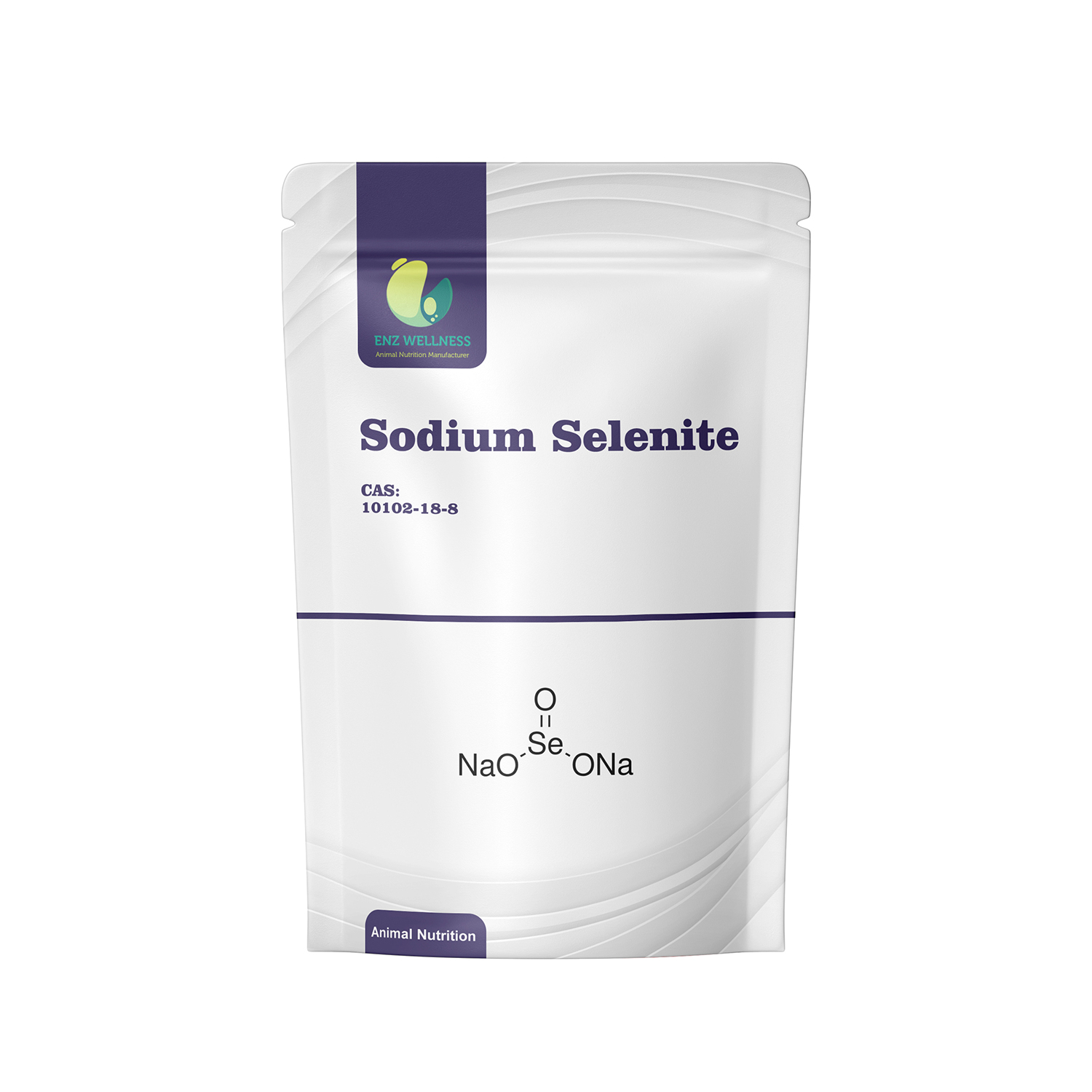
10102-18-8
3. Molecular Formula
Na₂SeO₃
4. Structural Formula
Na₂SeO₃
5. Physicochemical Properties
- Appearance: White crystalline powder
- Odor: Odorless
- Solubility: Soluble in water; practically insoluble in ethanol
- Aqueous solution: Alkaline
- Stability: Store in a cool, dry, well-sealed environment and protect from moisture
6. Application
Sodium Selenite is primarily used as a trace mineral feed additive and selenium source in animal nutrition.
It is commonly used in:
- Poultry feed: Supports normal growth, immune function, antioxidant defense, and reproductive performance.
- Swine feed: Helps meet dietary selenium requirements and supports normal physiological and antioxidant functions.
- Livestock and ruminant feed: Provides selenium required for normal metabolism, antioxidant protection, immune function, and reproduction.
- Mineral premixes: Used as a concentrated selenium source for precise feed formulation.
Selenium is an important component of selenoproteins, including glutathione peroxidase, which plays a key role in cellular antioxidant defense.
Important: Sodium selenite must be used at carefully controlled inclusion levels because excessive selenium intake can cause toxicity. Feed formulation should comply with the maximum permitted selenium levels applicable in the target market.