Finding a reliable feed additives manufacturer is essential for feed mills, animal nutrition companies, importers, distributors, and livestock producers looking to build a stable supply chain and improve their product offerings.
As the global animal nutrition industry continues to evolve, buyers increasingly need more than competitive prices. They need consistent product specifications, dependable supply, technical documentation, flexible purchasing options, and manufacturing partners who understand the requirements of international markets.
Whether you are sourcing individual feed ingredients, developing customized feed premixes, or building your own animal nutrition brand, choosing the right manufacturer can make a significant difference to your long-term business performance.
ENZAGRO provides animal nutrition products and sourcing solutions for B2B customers seeking feed additives, feed ingredients, premixes, and customized product options.
In this guide, we explain what a feed additives manufacturer does, which products to consider, and how to evaluate a supplier for long-term cooperation.
What Is a Feed Additives Manufacturer?
A feed additives manufacturer produces ingredients and formulated products used in animal feed to support nutritional requirements, feed quality, and specific production objectives.
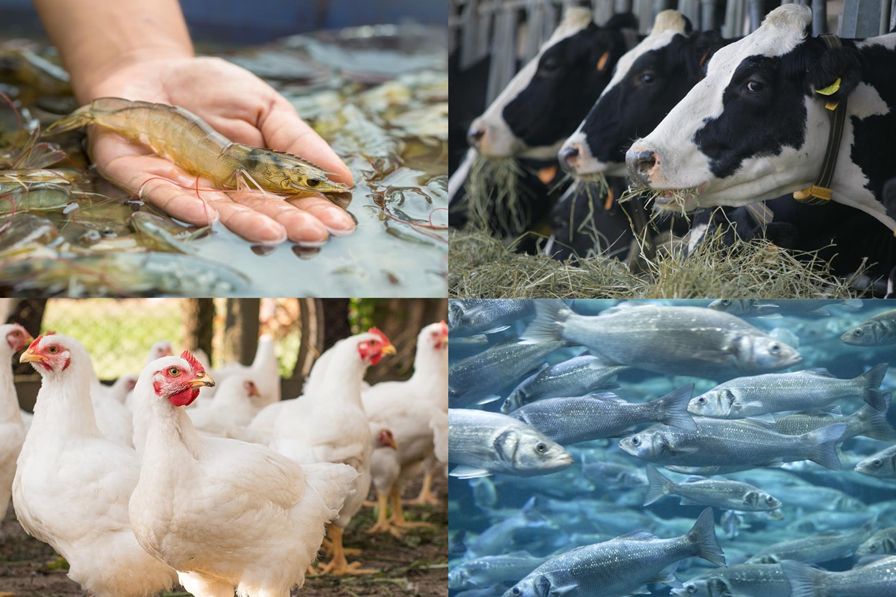
Feed additives are used across poultry, swine, ruminant, and aquaculture applications. Their functions depend on their composition, intended use, inclusion rate, and the requirements of the animal species.
Common feed additive categories include:
- Amino acids: Such as L-Lysine, L-Methionine, and L-Threonine, used to balance dietary amino acid profiles.
- Vitamins and minerals: Essential nutrients incorporated into animal feed and premix formulations.
- Feed enzymes: Such as phytase, xylanase, and amylase, which help break down specific feed components.
- Functional feed additives: Ingredients selected for particular nutritional, digestive, or feed-quality objectives.
- Mycotoxin control products: Solutions designed to help manage risks associated with specified mycotoxins in feed.
- Compound feed additives: Formulated products combining selected ingredients for defined applications.
- Feed premixes: Blends of vitamins, minerals, amino acids, and other permitted ingredients designed for incorporation into complete feed.
A qualified supplier should be able to explain its available products, specifications, intended applications, and relevant quality documentation.
For buyers looking to consolidate sourcing requirements, ENZAGRO offers a range of animal nutrition product categories. Explore our feed additives and feed ingredients to identify products relevant to your business.
Why Is Choosing the Right Feed Additives Manufacturer Important?
The manufacturer you select can affect your purchasing efficiency, product consistency, inventory planning, and ability to respond to customer demand.
Consistent Product Quality
Consistent specifications help feed manufacturers maintain formulation accuracy and production control. Important parameters may include active content, moisture, particle size, stability, purity, and microbiological characteristics, depending on the product.
Buyers should review product specifications and request a Certificate of Analysis (COA) for the relevant batch where applicable.
Reliable Supply and Delivery
Feed production depends on a consistent supply of raw materials and additives. Delays can affect inventory planning, customer commitments, and manufacturing schedules.
Before placing an order, discuss production lead times, minimum order quantities, packaging options, shipping arrangements, and the supplier’s ability to support repeat purchases.
Competitive Total Cost
The lowest price per kilogram does not always represent the best commercial value. Differences in concentration, specifications, recommended inclusion rates, packaging, freight, and product consistency can affect the total cost of using an ingredient.
A reliable feed additives manufacturer should provide clear specifications so buyers can compare quotations accurately.
Flexible Product Development
Importers, distributors, and animal nutrition brands may require customized formulations or products marketed under their own brands.
Working with a suitable manufacturing partner can help businesses evaluate formulation requirements, packaging options, target markets, and commercial feasibility.
Explore ENZAGRO’s private-label services and contract manufacturing solutions to discuss your requirements.
Main Types of Feed Additives to Consider
Selecting the right feed additive starts with understanding the intended application and the nutritional objectives of the feed formulation.
1. Amino Acids
Amino acids are important components of animal nutrition programs. L-Lysine, L-Methionine, and L-Threonine are widely used to balance dietary amino acid profiles in poultry and swine feed, as well as other appropriate formulations.
When sourcing amino acids, consider the exact chemical form, purity, concentration, feed-grade specification, packaging, and required documentation.
These ingredients are particularly relevant to feed mills, premix manufacturers, ingredient distributors, and companies producing compound feed.
Explore ENZAGRO’s feed ingredients portfolio for ingredient sourcing inquiries.
2. Vitamins and Minerals
Vitamins and minerals are used to meet the nutritional requirements of different animal species and production stages.
Common examples include vitamins A, D3, E, and B-complex vitamins, together with minerals such as zinc, copper, iron, and manganese.
For feed mills and premix manufacturers, important purchasing considerations include product potency, chemical form, stability, compatibility, packaging, and storage requirements.
The appropriate specification depends on the intended application and the requirements of the final feed formulation.
3. Feed Enzymes
Feed enzymes are used to support the breakdown of specific feed components and improve nutrient utilization under suitable conditions.
Common examples include phytase, xylanase, amylase, and cellulase. Their performance depends on factors such as enzyme activity, feed composition, processing temperature, pH, and formulation.
When evaluating an enzyme supplier, compare activity units, stability data, application guidance, and the evidence supporting the proposed use.
4. Functional Feed Additives
Functional feed additives serve specific purposes within animal nutrition programs. Depending on their composition and approved applications, they may support digestive function, feed quality, or other defined nutritional objectives.
Examples of ingredients used in selected formulations include betaine and glucose oxidase, as well as specialized compound additives.
Product selection should be based on the target species, formulation requirements, technical evidence, and applicable regulatory status.
Visit ENZAGRO’s feed additives page to explore the relevant product range.
5. Mycotoxin Control Products
Mycotoxins in contaminated raw materials can create significant feed quality and animal health concerns.
Mycotoxin control products are designed to help manage specified mycotoxin risks. Their suitability depends on the contaminant, product composition, feed matrix, and demonstrated performance.
Buyers should review technical data, application guidance, and supporting evidence before selecting a product. Testing and appropriate raw material management remain important parts of an effective mycotoxin control program.
6. Feed Premixes and Compound Additives
Feed premixes and compound additives can simplify ingredient handling by combining selected nutrients or functional components in a formulated product.
They may be suitable for feed manufacturers and distributors seeking products tailored to particular animal species, production stages, or customer requirements.
When sourcing these products, confirm the composition, active content, inclusion rate, mixing instructions, packaging, and shelf life.
For businesses seeking customized formulations, discuss the technical and commercial requirements with ENZAGRO through our contract manufacturing page.
7 Factors to Consider When Choosing a Feed Additives Manufacturer
1. Manufacturing and Quality Control Capabilities
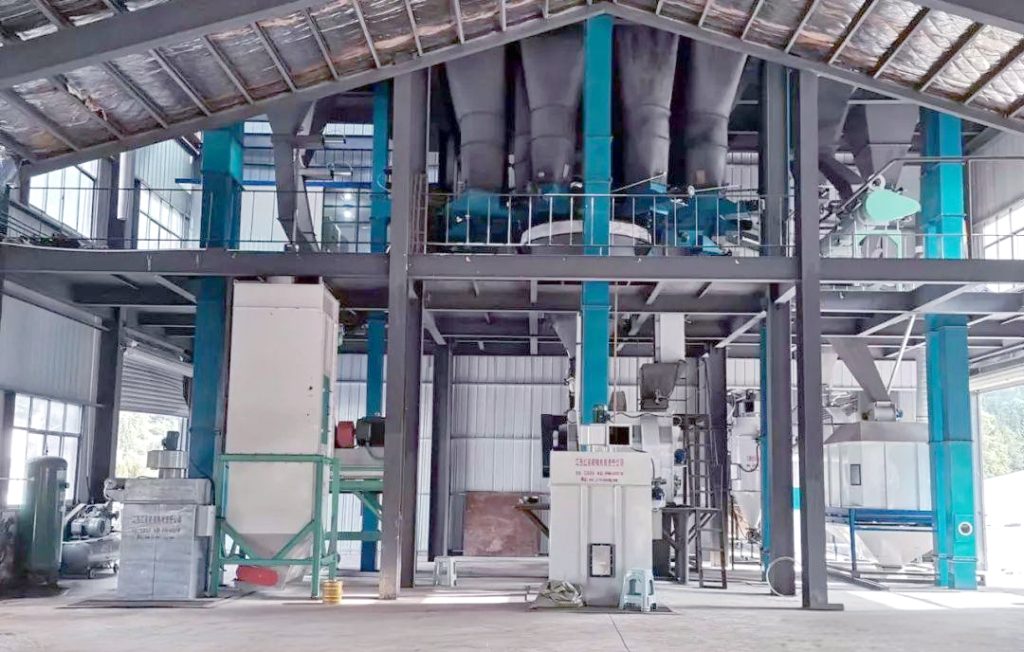
Ask how the manufacturer controls raw material quality, production processes, finished-product specifications, and batch traceability.
Depending on the product and destination market, useful documents may include:
- Certificate of Analysis (COA)
- Product specification sheet
- Safety Data Sheet (SDS)
- Technical data sheet
- Applicable quality certifications
- Relevant regulatory and export documentation
Verify certifications and product documents rather than relying on general marketing statements.
2. Product Portfolio and Technical Knowledge
A supplier with a suitable product portfolio may simplify sourcing for companies purchasing multiple categories of animal nutrition products.
However, a broad catalogue alone does not establish technical capability. Confirm the availability, specification, and intended use of each product you plan to purchase.
3. OEM and Private-Label Services
OEM and private-label services can help distributors and brands develop products under their own branding.
Before starting a project, clarify formulation ownership, specifications, packaging design, labeling, minimum order quantities, development timelines, and applicable regulatory responsibilities.
Learn more about ENZAGRO’s private-label services.
4. Export Experience
International feed additive trade involves different regulatory, labeling, customs, and import requirements.
A product permitted in one market may not be authorized for the same use in another. Confirm the product’s legal status in the destination country before placing an order.
Discuss documentation, packaging language, shipping terms, and registration responsibilities with your supplier and local importer.
5. Production Capacity and Lead Times
Understand whether the supplier can accommodate your expected order volumes and repeat purchasing schedule.
Ask about minimum order quantities, production lead times, sample availability, inventory arrangements, and contingency plans for supply interruptions.
6. Communication and After-Sales Support
Clear communication helps prevent misunderstandings about specifications, delivery dates, packaging, and documentation.
Evaluate how promptly the supplier answers technical questions, handles quality concerns, and communicates changes affecting your orders.
7. Long-Term Commercial Value
Evaluate the complete commercial offer, including product quality, price, freight, payment terms, documentation, technical support, and delivery reliability.
The objective is to establish a supply relationship that meets your business requirements over time rather than choosing a supplier based only on the initial quotation.
Why Source Feed Additives from China?
China is an important sourcing market for many feed ingredients and animal nutrition products. International buyers may find a broad selection of products and opportunities to develop manufacturing, distribution, and private-label relationships.
However, capabilities vary among suppliers. Buyers should assess each manufacturer based on its actual production arrangements, product specifications, quality controls, documentation, export experience, and ability to meet destination-market requirements.
When sourcing from China, consider requesting product samples where appropriate, reviewing batch documentation, confirming commercial terms, and establishing a clear process for handling quality issues.
For distributors and animal nutrition brands, a well-qualified Chinese manufacturing partner may offer opportunities to develop new products and expand market coverage.
ENZAGRO: Your Animal Nutrition Sourcing Partner
ENZAGRO serves B2B customers seeking animal nutrition products and solutions for the feed industry.
Our website provides access to product categories covering feed additives and feed ingredients, alongside options for businesses exploring private-label and contract manufacturing arrangements.
We understand that international buyers need clear product specifications, responsive communication, and commercial arrangements suited to their target markets.
Whether you are an importer sourcing individual ingredients, a distributor expanding your catalogue, a feed mill purchasing nutritional inputs, or a brand exploring customized products, we invite you to discuss your requirements with our team.
Explore our product and service pages:
Contact ENZAGRO to discuss product availability, technical specifications, packaging, order quantities, and potential cooperation.
How to Request a Quotation from a Feed Additives Manufacturer
To receive a more accurate quotation, prepare the following information before contacting a potential supplier:
- Product name: Identify the additive, ingredient, premix, or formulation required.
- Technical specifications: State the required grade, concentration, composition, or other quality parameters.
- Application: Identify the target animal species and intended feed application.
- Destination market: Specify the country where the product will be imported and sold.
- Order quantity: Provide your estimated trial order and expected regular demand.
- Packaging: Indicate bulk packaging or any OEM and private-label requirements.
- Delivery terms: Share your preferred shipping arrangements and destination port, if known.
This information helps the supplier assess product suitability, availability, documentation requirements, and pricing.
Ready to discuss your sourcing requirements? Visit ENZAGRO to make an inquiry about feed additives, feed ingredients, premixes, or customized animal nutrition products.
Frequently Asked Questions
What does a feed additives manufacturer do?
A feed additives manufacturer produces individual feed additives or formulated products used in animal nutrition. Depending on its capabilities, it may also provide technical documentation, customized formulations, private-label packaging, and export services.
What is the difference between a feed additives manufacturer and a supplier?
A manufacturer produces products or manages their production, while a supplier may distribute products made by other companies. Some businesses perform both roles. Buyers should confirm the actual manufacturing arrangements for the products they purchase.
Can a feed additives manufacturer provide OEM products?
Some manufacturers offer OEM or private-label services, including customized formulations and packaging. Available services, minimum order quantities, and regulatory responsibilities should be confirmed for each project.
What documents should I request from a feed additives manufacturer?
Depending on the product and market, request a product specification sheet, batch-specific COA, SDS, technical data, applicable quality certificates, and relevant regulatory or export documents.
How do I compare feed additives manufacturers?
Compare product specifications, quality controls, supply reliability, technical support, export capabilities, regulatory compliance, minimum order quantities, and total delivered cost.
Does ENZAGRO support international B2B inquiries?
International buyers can contact ENZAGRO to discuss product requirements, availability, technical specifications, packaging, and potential business cooperation. Specific products and services should be confirmed directly with the company.
Conclusion
Choosing the right feed additives manufacturer is an important step toward building a reliable animal nutrition supply chain. Product quality, manufacturing capability, technical support, customization options, regulatory compliance, and delivery reliability should all be considered when evaluating potential partners.
For feed mills, importers, distributors, and animal nutrition brands, the right supplier can help simplify sourcing and support long-term commercial development.
Explore ENZAGRO’s feed additives, feed ingredients, and private-label services to identify potential solutions for your business.
Looking for a feed additives manufacturer for your next project? Contact ENZAGRO to discuss your product requirements and request a quotation.
Website: https://enzagro.com/